

A new colleague had just returned from maternity leave. We grabbed a coffee and talked about the projects we could build together. My role had shifted a lot in the past year — less delivery work, more service development, and a huge part of that now involves AI. The eye-opener was when she leaned in and whispered that she feared she had “missed the boat.” I was shocked. Anyone can start using AI. Why did she think it wasn’t for her?
The moment everything shifted
I scrolled way back to look for my first ever ChatGPT prompt. I facepalmed when I found it. It wasn’t too glamorous or strategic. It was: “Give me 10 podcast topic ideas on trends in IT.” The answer was average at best. I even asked it to “make them about ChatGPT” like someone ordering a cocktail without knowing the ingredients.
But even with a mediocre answer, it was obvious the ceiling was high. It was equally obvious I had no idea what I was doing. The good news was, the playing field was equal. NO ONE knew what they were doing and it was obvious that skill, not talent, would separate the people who thrive from the people who watch others thrive.
AI wasn’t going to reward the most technical person in the room.
It was going to reward the first person who tried.
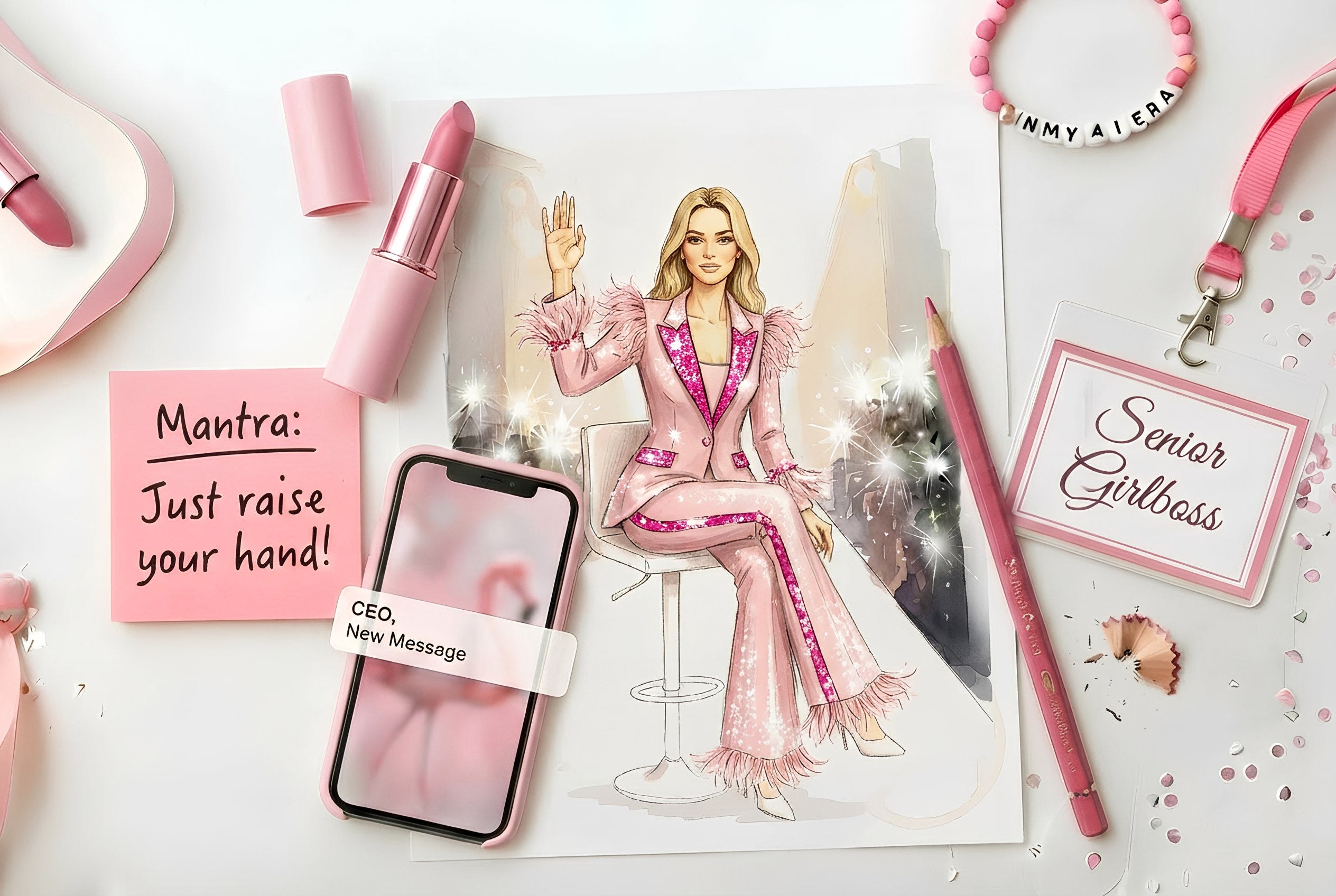
So I became the woman who raised her hand in every AI conversation at work.
The quiet inequality no one admits
I work with brilliant women. They handle crises, lead teams, raise families, and still deliver more in a week than some do in a month. And then AI enters the room, and the confidence shifts. I hear sentences like:
“I’m not a technical person.”
“I don’t want to look stupid.”
“I’ve been away on maternity leave… I can’t catch up.”
“I’ll learn it later.”
Meanwhile, men - including the ones who haven’t touched a line of code - speak about AI with confidence. This isn’t a talent gap. It’s not an intelligence gap. It’s a credibility gap, and it’s widening fast.
And it shows up in the worst possible moments: promotions, interviews, and any situation where competence and potential are judged in seconds.
Give it three years.
Every role will require “AI experience.”
The people who have it will win.
The real villain is self-doubt
This isn’t a fight against tech bros or corporate systems. That’s too easy.
The real villain is internal:
self-doubt
hesitation
the belief that AI is “for someone else”
Women returning from maternity leave feel especially vulnerable. They think they missed the wave. They think they need to code. They think they’ve fallen behind.
But AI isn’t a trend. And you don’t need to code.
You don’t need to be technical.
You just need willingness.
The unexpected advantage
AI is the first tool in modern work that actually lets women leapfrog old barriers. It doesn’t care about your degree, your background, or your time away from work. It only cares about how you use it.
And the best way to understand AI is simple: it’s your intern.
Interns don’t deliver perfection.
They deliver drafts that you refine and shape.
If you give AI a good prompt, it gives you a head start.
If you give AI ten minutes a day, it gives you an advantage.
This is the opportunity to jump ahead.
Why I’m writing this
Because I’m the only woman on my team full of brilliant women who raises her hand every single time AI comes up. Because I’m not technical and used to hate math. Because I know that if I go on maternity leave one day, the only thing that protects my career is being ahead of the curve now.
I’ve seen how confidence transforms the moment women get their first small win with AI. Their first prompt that actually works, their first task that becomes easier, their first project they can point to. Those wins compound.
Those small wins compound.
The promise
If you stay with me for a year - not just as a reader but as someone who tries things - here’s what will change:
You’ll have a real AI project you can put on your résumé.
You’ll be the one tapped for the AI task force.
You’ll walk into meetings with examples, not theory.
You’ll stop apologizing for not being “technical.”
You’ll become the woman others ask for help.
Not a coder. Not an expert.
Just someone who understands how to lead in the age of AI.
Your career can’t wait.
AI literacy is the new leadership.
And I’m here to make sure you don’t get left behind.
Saying yes before feeling ready is often where the real growth starts.
What I’ve noticed, though, is that the follow-through is even more important: how you fold AI into daily decision-making and team habits. And that’s what makes early wins stick instead of just being experiments.
I hope I can get my wife to read your newsletter. She's been thinking about learning AI for a while. She's been waiting for the "right time." But that was three months ago.